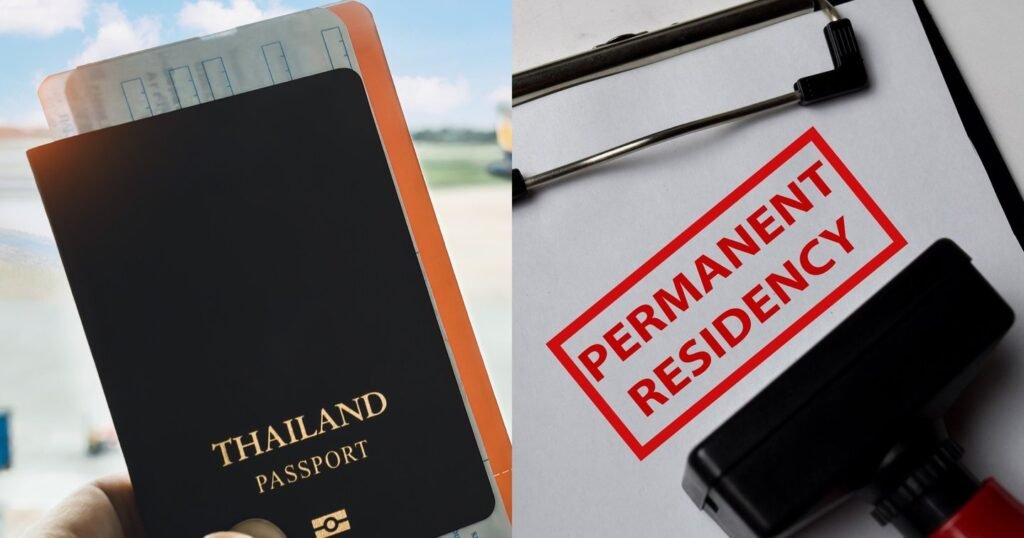
There are multiple pathways to achieving long-term or permanent residence in Thailand. These include employment-based residence, investment-based residence, and family-based applications. Each pathway has its own requirements and timelines, and understanding each option is critical to making the right choice.
Investment-Based Residence
Foreigners who invest at least three million Thai Baht in approved instruments — such as government bonds, Thai mutual funds, or property — may qualify for investment-based residence. This pathway is particularly popular among retirees and high-net-worth individuals who wish to secure their long-term future in Thailand.
Employment-Based Residence
Thai permanent residence through employment requires holding a work permit and working continuously in Thailand for at least three years. The applicant must earn above a minimum salary threshold and pay Thai income taxes during this period.
Family-Based Applications
Foreigners married to Thai nationals or who have Thai children may apply for permanent residence through family ties. Documentation requirements are strict, and the process can take time, but this pathway represents a strong option for those with close family connections in Thailand.
Why the Thailand Privilege Card is Worth Considering
Given the complexity and limited quota of permanent residence applications, many expats opt for the Thailand Privilege Card as a premium alternative. It provides long-term visa stays, dedicated concierge services, and VIP airport assistance, making it one of the most attractive residency solutions available today.
Internal Links: