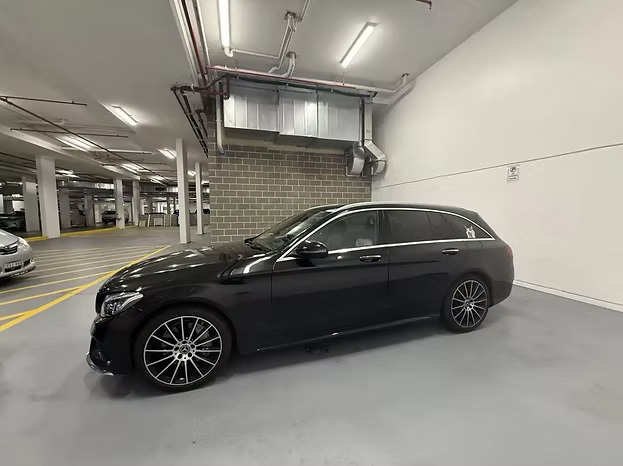
When considering a luxury vehicle, used Mercedes-Benz vehicles are often top of mind for buyers looking for prestige, performance, and long-term reliability. However, like any high-end automobile, understanding the resale value of these vehicles is crucial for making an informed purchase. This guide explores what affects the resale value of used Mercedes-Benz vehicles, factors buyers should consider, and tips to maximize their investment.
Understanding Depreciation in Used Mercedes-Benz Vehicles
Luxury vehicles like Mercedes-Benz experience depreciation differently compared to standard cars. While most cars lose value rapidly in the first few years, used Mercedes-Benz vehicles tend to retain their appeal because of their engineering, brand reputation, and continued demand in the luxury market.
The first three years typically see the steepest depreciation, sometimes around 30% of the original purchase price. This is due to the initial market perception and the new car premium. After this period, depreciation slows down, making used models more appealing for buyers who want a luxury experience without the heavy upfront cost.
Depreciation also varies by model. Popular models such as the C-Class and E-Class maintain higher resale value compared to niche models like the CLS or SLC, which can see faster drops in market price. Buyers of used Mercedes-Benz vehicles should consider which models hold value better in their local markets.
Factors That Affect Resale Value
Several factors determine the resale value of used Mercedes-Benz vehicles, and buyers should weigh these carefully before purchasing:
- Mileage: Lower mileage generally correlates with higher resale value. Mercedes-Benz vehicles are engineered to last for hundreds of thousands of kilometers, but excessive mileage can impact the price.
- Maintenance and Service History: A fully documented service history with authorized dealerships can significantly increase the resale value. Regular maintenance shows that the vehicle has been cared for, which reduces perceived risk for buyers.
- Vehicle Condition: The exterior and interior condition plays a critical role. Minor dents, scratches, or interior wear can reduce resale value, while vehicles kept in pristine condition can command premium pricing.
- Age of the Vehicle: While newer models may offer the latest technology, older used Mercedes-Benz vehicles often provide the best balance of luxury and affordability. Understanding the age-to-value ratio is key for smart buying decisions.
- Market Demand: Certain models may be in higher demand depending on trends, fuel efficiency, and popularity in the used luxury car market. High-demand models tend to maintain stronger resale value.
Popular Mercedes-Benz Models and Their Resale Strength
Not all used Mercedes-Benz vehicles are equal when it comes to resale. Certain models are known for holding their value better:
- C-Class: This compact luxury sedan is highly popular, providing a strong resale value thanks to its reputation for comfort, reliability, and performance.
- E-Class: A mid-sized luxury sedan with a reputation for durability, making it one of the most sought-after models in the used market.
- GLE and GLC SUVs: These SUVs have seen increasing demand over the years, especially among buyers looking for luxury with practicality. They tend to retain value better than some of the coupe or convertible models.
- S-Class: While the flagship luxury sedan depreciates more in the first few years, well-maintained models retain appeal among luxury car enthusiasts and collectors.
Tips for Buyers to Maximize Value
For buyers interested in used Mercedes-Benz vehicles, there are strategies to ensure a wise investment:
- Research the Vehicle’s History: Always obtain a full history report. This includes accident records, service history, and ownership details. Vehicles with clean records retain value better.
- Focus on Certified Pre-Owned (CPO) Options: Mercedes-Benz offers CPO programs that include extended warranties and rigorous inspections, providing added assurance and better resale prospects.
- Negotiate Smartly: Knowing the market value of the specific model and year can help buyers negotiate effectively and avoid overpaying.
- Maintain the Vehicle Post-Purchase: After buying a used Mercedes-Benz vehicle, maintaining it according to the manufacturer’s recommendations is crucial. This ensures longevity and stronger resale value in the future.
- Choose Popular Colors and Options: Neutral colors and popular option packages can increase desirability in the resale market, making it easier to sell the vehicle later.
The Role of Technology and Features
Technology and modern features significantly influence the resale value of used Mercedes-Benz vehicles. Cars with the latest driver assistance systems, infotainment upgrades, and safety technology are more appealing to buyers. Conversely, older models lacking these features may experience slower resale appreciation.
Additionally, diesel and hybrid variants may have different resale values depending on market trends and regional fuel policies. Buyers should consider these factors when selecting a model to ensure it aligns with long-term demand.
Economic and Market Considerations
External market factors also affect the resale value of used Mercedes-Benz vehicles. Economic conditions, fuel prices, and availability of newer models can shift demand. For instance, during periods of high fuel costs, buyers may favor smaller, more efficient vehicles, affecting the market for larger Mercedes-Benz models. Understanding these trends can help buyers anticipate resale value fluctuations and make informed decisions.
Common Misconceptions About Resale Value
Many buyers believe that all luxury vehicles automatically maintain high resale value. While Mercedes-Benz enjoys strong brand recognition, not every used model performs equally well. Factors such as maintenance neglect, high mileage, or unpopular features can quickly diminish resale value. It’s also important to differentiate between short-term savings and long-term investment value. Buying the cheapest option may not always be the smartest decision if it comes with hidden costs or future depreciation risks.
Conclusion
The resale value of used Mercedes-Benz vehicles is influenced by multiple factors including mileage, maintenance, model popularity, condition, and market demand. Buyers who take the time to research, choose the right model, and maintain their vehicle are likely to enjoy a higher resale value and a better ownership experience.
Investing in a used Mercedes-Benz vehicle can provide the luxury experience at a fraction of the cost of a new car, while still maintaining long-term value. By understanding what drives depreciation and resale appeal, buyers can make informed choices that ensure both satisfaction and financial wisdom.