
Introduction
Technology has become an essential part of everyday life, changing how people communicate, work, exercise, and manage their daily routines. Among the most exciting developments in modern technology is the evolution of wearable devices. These products have transformed from simple fitness bands that count steps into sophisticated accessories capable of tracking health indicators, delivering notifications, supporting communication, and improving personal convenience.
Wearable technology combines digital innovation with products that people can comfortably wear throughout the day. Smartwatches, fitness trackers, smart rings, connected glasses, and other intelligent accessories are becoming increasingly popular because they offer useful features without requiring users to constantly reach for their smartphones.
As technology continues to advance, consumers are also looking for affordable devices that combine practical functions with attractive designs. Products such as a budget smart ring with heart rate tracking demonstrate how wearable technology is expanding beyond traditional wrist-based devices. In the UK market, the COLMI R09 smart ring is an example of a compact accessory that appeals to people interested in exploring wearable technology without necessarily investing in an expensive smartwatch.
Understanding the evolution of wearable tech reveals how these devices have developed, what they offer today, and how they may influence everyday life in the future.
The Early Days of Wearable Technology
Wearable technology existed long before modern smart devices became common. Traditional wristwatches were among the earliest examples of technology designed to be worn conveniently. Although they did not have digital connectivity, they demonstrated the practical value of keeping useful information readily accessible.
Over time, electronic devices introduced new possibilities. Digital watches added features such as alarms, timers, calculators, and basic data storage. These functions made watches more versatile and established the foundation for future smart accessories.
As computers became smaller and mobile technology advanced, manufacturers began exploring ways to integrate electronic components into clothing and personal accessories. Early wearable experiments often focused on specialized applications, but improvements in batteries, sensors, wireless communication, and microprocessors eventually made consumer wearable devices more practical.
The arrival of smartphones also played an important role. Once people became accustomed to carrying connected devices, manufacturers started developing accessories that could synchronize with phones and provide information at a glance.
This progression eventually led to the modern wearable technology market, where convenience, connectivity, and personal data are central features.
Fitness Bands: The Beginning of Mainstream Wearables
Making Everyday Activity Easier to Track
Fitness bands helped introduce wearable technology to a much broader audience. Unlike traditional watches, these lightweight devices were designed primarily to monitor physical activity and encourage healthier daily habits.
Early fitness trackers focused on simple measurements, including step counts, distance estimates, and calories burned. Users could wear them throughout the day and review their activity through a connected smartphone application.
These features made personal activity tracking accessible to people who did not necessarily participate in organized sports or follow structured exercise programs. A person could monitor everyday movement, set activity goals, and gradually develop a better understanding of their routine.
The Introduction of Heart Rate Monitoring
As sensor technology improved, fitness bands began offering more advanced measurements. Optical heart rate sensors allowed compatible devices to estimate a user’s heart rate by analyzing changes in blood flow near the skin.
This feature expanded the usefulness of fitness trackers. Users could monitor heart rate during workouts, examine general activity patterns, and view estimated resting heart rate trends on supported devices.
However, readings can vary depending on device fit, movement, skin contact, and sensor quality. Fitness trackers are therefore useful for general wellness awareness but should not automatically be treated as substitutes for professional medical equipment.
Sleep and Recovery Features
Modern fitness bands also introduced sleep tracking, inactivity reminders, and additional wellness measurements. Depending on the device, users may see estimates of sleep duration, sleep stages, and overnight heart rate.
These features made wearable technology relevant beyond exercise sessions. Instead of being used only at the gym, fitness bands became accessories that people could wear while working, traveling, relaxing, or sleeping.
Smartwatches: Expanding the Role of Wearable Devices
Smartwatches represented a significant step forward by combining traditional timekeeping with smartphone connectivity and health-related features.
While fitness bands generally emphasize activity tracking, smartwatches often offer a broader range of functions. Depending on the model, users can receive calls and notifications, check messages, control music, navigate routes, access applications, and monitor various fitness indicators.
Communication on the Wrist
One of the most important smartwatch innovations is the ability to view smartphone notifications without taking out a phone. This can be particularly useful during exercise, commuting, or busy workdays.
Some models also support voice assistants, contactless payments, standalone cellular connectivity, and responses to messages. These features vary according to the operating system, hardware, region, and subscription requirements.
Advanced Fitness Features
Smartwatches have also become popular among people who enjoy running, cycling, swimming, and other physical activities. Compatible models can record workout duration, estimate distance, track heart rate, and use satellite positioning to map outdoor activities.
More advanced devices may offer blood oxygen estimates, electrocardiogram functionality, or irregular heart rhythm notifications where supported. Availability differs by product and country, and these functions should be understood according to their intended use and limitations.
Despite their versatility, smartwatches are not ideal for everyone. Some users prefer simpler accessories with longer battery life, fewer notifications, or a more discreet appearance. This preference has helped create opportunities for alternative wearable designs.
The Rise of Smart Rings
A Smaller Alternative to Smartwatches
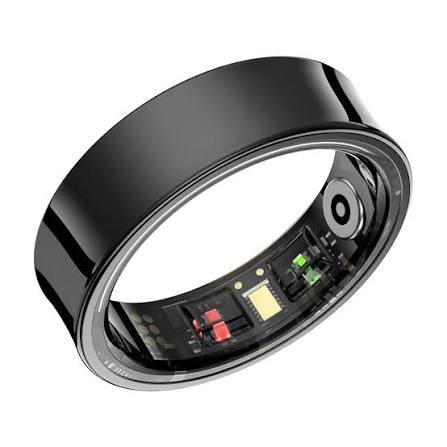
Smart rings represent another important stage in the evolution of wearable technology. These compact accessories place electronic sensors inside a ring-shaped design, allowing users to collect selected health and activity information without wearing a larger device on the wrist.
Their popularity reflects a growing demand for wearable products that blend into everyday clothing and personal style. A smart ring can resemble conventional jewelry while incorporating miniature sensors, wireless connectivity, and a rechargeable battery.
Smart rings are particularly appealing to people who prefer minimalist accessories. They can also provide an alternative for individuals who find watches uncomfortable while sleeping or simply do not want another screen on their wrist.
Heart Rate Tracking and Wellness Monitoring
Depending on the model, smart rings can provide heart rate measurements, activity estimates, and sleep-related information. Some products also support additional measurements, such as skin temperature trends or blood oxygen estimates.
These capabilities depend on the ring’s sensor hardware and accompanying application. Buyers should review the specifications of each device rather than assuming every smart ring offers identical features.
For anyone researching a budget smart ring with heart rate tracking, it is important to consider more than the initial purchase price. Sensor performance, application compatibility, battery life, charging arrangements, and the availability of useful data all influence the overall experience.
A lower-priced device may be an attractive starting point for people who want to explore smart rings without committing to a premium product. Nevertheless, affordability should be balanced with realistic expectations about accuracy and functionality.
COLMI R09 Smart Ring and the UK Market
The COLMI R09 smart ring is one product that consumers may encounter when exploring affordable smart accessories. Its compact design makes it relevant to discussions about the shift from conventional wrist-worn devices toward smaller, less noticeable wearables.
People searching for the COLMI R09 UK may be interested in finding a practical smart ring for everyday use. Before purchasing, prospective buyers should check the current product specifications, supported smartphone systems, available monitoring features, and charging requirements.
UK shoppers should also review the seller’s reputation, delivery arrangements, warranty conditions, and return policy. Prices and availability may vary across retailers, so comparing current offers can help consumers make an informed decision.
It is equally important to check which features the particular product version actually supports. Heart rate tracking, sleep monitoring, activity recording, and other functions should be confirmed through reliable product documentation rather than assumed from general smart ring descriptions.
Smart Accessories Beyond Fitness
The development of wearable technology is no longer limited to fitness bands, watches, and rings. Manufacturers are increasingly incorporating intelligent features into different types of personal accessories.
Smart Glasses
Smart glasses are designed to combine eyewear with digital functions. Depending on the product, they may support hands-free audio, voice commands, cameras, or other connected features.
These devices can make certain tasks more convenient by allowing users to interact with technology without constantly holding a smartphone. Future developments may bring more sophisticated displays and augmented reality capabilities to selected products.
However, privacy remains an important consideration, particularly for devices that can capture photographs, record audio, or collect information about surrounding environments.
Smart Clothing
Smart clothing integrates electronic components or specialized sensors into garments. Depending on the design, these products may measure movement, provide workout feedback, monitor selected physiological signals, or adjust to environmental conditions.
Athletes, researchers, and healthcare professionals have shown interest in different forms of sensor-equipped clothing because garments can collect information from several areas of the body.
Although smart clothing is still less common than mainstream fitness trackers, improvements in flexible electronics and washable materials may make it more practical over time.
Connected Jewelry and Everyday Accessories
Wearable technology is also appearing in products designed to look like ordinary jewelry or accessories. Some devices provide notifications through subtle vibrations, while others focus on activity monitoring or personal safety features.
The appeal of these products lies in their ability to combine useful technology with personal style. Rather than looking like miniature computers, they can be designed to complement the user’s existing accessories.
This development suggests that the future of wearable technology will involve not only adding more features but also making technology less visually intrusive.
How Wearable Technology Has Improved Daily Life
Better Awareness of Personal Habits
One of the most useful benefits of wearable devices is their ability to make everyday patterns easier to understand. Activity records can help users notice how much they move during the day, while sleep summaries may highlight changes in their regular routines.
These insights can encourage people to establish realistic goals and develop more consistent habits. However, wearable measurements are estimates, and they should be interpreted in context rather than treated as perfect representations of personal health.
Convenience and Productivity
Connected accessories can reduce the need to check a smartphone repeatedly. Notifications, reminders, timers, and selected controls may be accessible directly from a wrist or another wearable device.
For people who work in busy environments, this convenience can help them access important information quickly. Users can also customize notifications to avoid unnecessary interruptions.
Support for Fitness Activities
Wearable devices can make exercise more engaging by providing activity summaries and progress records. Runners may review their pace, while other users can monitor workout duration or general movement levels.
The most useful device is often the one that fits naturally into a person’s routine. Someone who wants detailed training information may prefer a feature-rich smartwatch, while a user who values simplicity may choose a basic fitness band or smart ring.
Greater Personalization
Modern wearable applications often allow users to select preferred measurements, configure reminders, and review trends over time. This personalization helps people focus on information that is relevant to their goals.
At the same time, it is important to maintain a balanced relationship with personal data. Constantly checking every measurement can become distracting, so wearable technology is most beneficial when it supports everyday life rather than dominating it.
Challenges Facing the Wearable Technology Industry
Despite its progress, wearable technology still faces several challenges that manufacturers and consumers must consider.
Battery Life and Charging
Small devices have limited space for batteries. Smart rings, for example, must fit their electronic components into a compact structure, which places practical limits on battery capacity.
Battery life varies according to the product, monitoring settings, connectivity, and frequency of use. Buyers should examine manufacturer specifications and independent testing when available.
Accuracy and Reliability
Sensor readings may be influenced by movement, fit, temperature, skin contact, and device design. Different products can produce different estimates even when measuring similar activities.
Wearables can support general wellness awareness, but important health concerns should be discussed with qualified healthcare professionals. Consumers should also understand whether a product has any relevant regulatory clearance for its advertised medical functions.
Privacy and Data Security
Wearable devices may collect sensitive information, including activity records, sleep patterns, and health-related measurements. This information is often transferred to a smartphone application or cloud-based service.
Before buying a device, users should review its privacy policy, app permissions, data-sharing practices, and account security options. Manufacturers also have a responsibility to protect customer information through appropriate security measures.
Comfort, Durability, and Compatibility
A wearable must be comfortable enough for its intended use. Rings require appropriate sizing, while watches and bands need secure straps and suitable materials.
Water resistance should also be checked carefully because resistance ratings do not necessarily mean a device is suitable for every water-based activity. Smartphone compatibility and software support are equally important, especially when a product depends on an application to display its measurements.
The Future of Wearable Tech
The next generation of wearable technology is likely to focus on improved sensors, more efficient batteries, better software, and increasingly natural designs.
Artificial intelligence may help compatible devices identify patterns in collected information, organize notifications, and provide more personalized summaries. However, useful results will depend on data quality, transparent explanations, and appropriate privacy protections.
Wearables may also become more closely connected with other digital systems. Smartphones, smart home devices, fitness platforms, and selected healthcare services could work together to create a more integrated experience.
Another likely development is greater choice across different price categories. As miniature electronic components become more accessible, manufacturers may introduce affordable devices with selected features that were previously associated with more expensive products.
This could make basic heart rate monitoring, activity tracking, and sleep-related features available to a wider range of consumers. Products such as compact smart rings demonstrate how manufacturers are exploring alternatives to traditional fitness bands and smartwatches.
Nevertheless, innovation should not be measured only by the number of features a device offers. Comfort, dependable performance, software support, responsible data handling, and long-term usability will remain important factors in determining whether a wearable succeeds.
How to Choose the Right Wearable Accessory
Choosing a wearable device begins with understanding personal priorities.
People who want detailed exercise information, navigation, and smartphone notifications may benefit from a smartwatch. Those who mainly want step counting and simple activity summaries may find a fitness band sufficient.
A smart ring may suit users who prefer a compact accessory without a prominent screen. Before choosing one, it is worth checking the available sensors, sizing options, battery performance, application quality, and compatibility with the user’s phone.
Price comparisons should include the overall ownership experience rather than the purchase price alone. Shipping costs, warranty support, replacement accessories, and possible application subscriptions can affect long-term value.
For shoppers exploring the colmi r09 uk market, comparing verified product information and retailer policies can help establish whether the device meets their expectations. Reading recent customer feedback may also reveal practical details about comfort, charging, connectivity, and everyday performance.
The right choice is not necessarily the most expensive or technologically advanced option. It is the device that offers useful features, fits comfortably, and supports the user’s routine.
Conclusion
The evolution of wearable technology reflects a broader transformation in how people interact with digital tools. Fitness bands introduced convenient activity tracking, smartwatches expanded connectivity and functionality, and smart rings brought selected monitoring features into smaller, more discreet accessories.
Today, wearable devices serve a variety of purposes, from supporting exercise routines to simplifying communication and providing insights into everyday habits. Their continued development is creating more opportunities for consumers to choose products that suit their preferences, lifestyles, and budgets.
Affordable smart accessories are an important part of this progress. For consumers interested in a budget smart ring with heart rate tracking, products such as the COLMI R09 offer an opportunity to explore this category while comparing practical features, compatibility, and overall value.
As sensor technology and connected software continue to improve, wearable devices will likely become more personalized, efficient, and integrated into everyday routines. The most successful products will be those that combine useful technology with comfort, reliability, privacy, and thoughtful design.