Raising chickens in a backyard or small poultry farm can be a rewarding experience, especially when the flock includes unique breeds that offer something different from ordinary laying hens. Among the many araucana eggs for sale chicken varieties available, Araucana chickens are particularly admired for their distinctive blue eggs, attractive appearance, and special place in poultry keeping. For hobby farmers, backyard chicken enthusiasts, and small-scale poultry breeders, Araucana eggs can add color, variety, and interest to everyday egg production.
Whether you are expanding an existing flock or beginning your poultry-keeping journey, learning about Araucana eggs can help you decide whether this distinctive breed suits your goals. From understanding egg characteristics to selecting suitable breeding stock, there are several reasons why Araucanas continue to attract attention among poultry enthusiasts.
What Makes Araucana Eggs Unique?
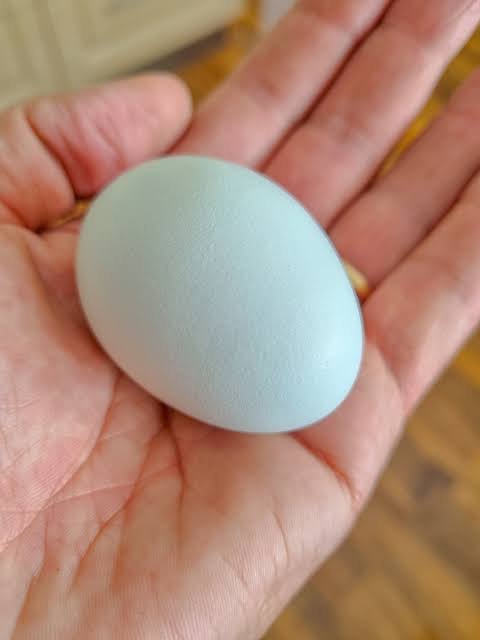
The most recognizable feature of Araucana chickens is their naturally blue eggs. Unlike brown or white eggs, which are common in many backyard flocks, Araucana eggs provide a distinctive appearance that makes them stand out in an egg basket.
The blue shell color results from a pigment called oocyanin, which is deposited during egg formation. In blue-egg-laying chickens, this pigment colors the shell throughout its formation rather than appearing only on the outside. This creates a characteristic blue appearance that distinguishes these eggs from many other varieties.
The precise shade can vary between individual hens, ranging from pale blue to deeper blue-green tones. However, shell color does not determine the nutritional value or taste of an egg. Freshness, feed quality, hen health, and storage conditions are more important factors when evaluating egg quality.
For small flock owners, the visual appeal of Araucana eggs makes them an interesting addition to mixed-color egg collections and an attractive option for personal use or local egg sales.
Why Araucana Chickens Suit Small Poultry Flocks
Small poultry flocks often benefit from breeds that offer distinctive characteristics without requiring an industrial-scale setup. Araucana chickens can be appealing to keepers who value breed diversity, colorful eggs, and the enjoyment of raising heritage-style poultry.
Their relatively modest flock requirements make them worth considering for suitable backyard environments. Like other chickens, however, Araucanas need adequate space, secure housing, clean water, balanced feed, and protection from predators.
Before bringing Araucanas into an existing flock, owners should consider their available space and the temperament of their current birds. Introducing new chickens gradually and providing enough feeders, drinkers, and resting areas can help reduce competition.
Araucanas are also interesting for poultry enthusiasts who enjoy observing breed-specific characteristics. Their distinctive appearance and blue eggs make them easy to recognize in a diverse flock, adding variety to the experience of raising chickens.
Understanding Araucana Egg Production
Egg production is an important consideration for anyone planning a small poultry flock. Araucana hens can provide a useful supply of eggs, although their output varies according to age, genetics, nutrition, health, housing, and seasonal conditions.
Young hens generally begin laying when they reach maturity, but the exact timing differs between individuals. During their productive periods, healthy hens may lay regularly, while production can decrease during colder months, shorter daylight hours, molting, or periods of stress.
Small flock owners should establish realistic expectations rather than assuming every hen will produce the same number of eggs. Keeping simple records of laying frequency, egg appearance, feed consumption, and general health can help identify patterns over time.
A balanced poultry diet is essential for maintaining consistent egg production. Commercial layer feed formulated for laying hens usually provides the main nutrients required, while clean water should remain available throughout the day. Calcium is especially important for shell development, and any additional supplements should be provided appropriately rather than replacing a complete feed.
With suitable care, Araucanas can contribute to a productive and visually interesting backyard egg supply.
Araucana Eggs for Sale: What Buyers Should Know
People searching for Araucana eggs for sale may encounter different types of listings. Some sellers offer fresh eating eggs, while others specialize in fertile hatching eggs intended for poultry breeding.
Understanding the difference is essential before making a purchase.
Eating eggs are collected for consumption and do not need to be fertile. Hatching eggs, by contrast, must be fertilized and handled carefully to preserve their potential for successful incubation. Fertility alone does not guarantee that an egg will hatch, as results also depend on breeder health, egg handling, storage, incubation conditions, and other factors.
When purchasing Araucana hatching eggs, buyers should ask about the parent flock, breeding practices, egg collection procedures, and the seller’s experience with the breed. Clear information about the birds’ characteristics can also help buyers determine whether the stock meets their breeding goals.
It is important to remember that shell color alone does not prove that an egg comes from a purebred Araucana. Reliable breed identification requires more than the appearance of the egg. Buyers seeking purebred birds should look for trustworthy breeders who can explain their breeding lines and the characteristics of their flock.
Comparing sellers carefully can help poultry keepers make informed decisions and avoid unrealistic promises about fertility, hatch rates, or future egg production.
Choosing Healthy Araucana Breeding Stock
For poultry keepers interested in expanding their flock, selecting healthy breeding birds is just as important as choosing attractive eggs. Strong breeding stock can support better flock management and help preserve the characteristics associated with the breed.
Look for active birds with clear eyes, clean feathers, normal movement, and no obvious signs of illness. Ask the breeder about the birds’ age, health history, vaccination practices where applicable, and previous breeding performance.
Araucanas are known for distinctive physical characteristics, including the possibility of ear tufts in some birds and the absence of a prominent tail in recognized breed types. Breed standards vary by country, so buyers interested in exhibition or purebred breeding should consult the relevant poultry association’s standard.
Breeding Araucanas also requires awareness of genetic considerations. In particular, the ear-tuft trait associated with some Araucana lines can involve a genetic factor that presents serious risks when inherited in certain combinations. Breeders should understand the genetics of their birds and avoid pairings that could increase the risk of embryo or chick mortality.
Working with an experienced breeder can help newcomers understand these issues and make more responsible breeding decisions.
Caring for Araucana Hens in a Backyard Setting
Good management is essential for maintaining healthy hens and obtaining quality eggs. Araucanas need a dry, well-ventilated coop that protects them from rain, extreme temperatures, and predators. Nesting boxes should be clean, comfortable, and easy to access.
Fresh water and nutritionally complete feed should be available every day. A secure outdoor run provides opportunities for natural behaviors such as scratching, walking, and foraging. The amount of space required depends on the flock size, housing arrangement, local climate, and applicable animal-welfare recommendations.
Routine observation also matters. Changes in appetite, activity, droppings, feather condition, or egg production may indicate a health or management problem. New birds should be quarantined appropriately before joining an established flock to reduce the risk of introducing infectious diseases.
Clean nesting areas and regular egg collection help keep eggs in good condition. Eggs intended for consumption should be handled and stored safely, while hatching eggs require separate handling practices designed to protect embryo development.
These everyday practices help small flock owners maintain healthier birds and make poultry keeping more manageable.
The Appeal of Colorful Eggs for Home Use and Local Markets
One of the biggest attractions of Araucana eggs is their appearance. A basket containing blue eggs alongside white, cream, and brown eggs creates a colorful display that many backyard poultry keepers appreciate.
For families, collecting eggs in different colors can make poultry keeping more engaging. For small-scale producers, blue eggs may also provide a point of distinction when presenting a mixed-color egg assortment to local customers, subject to local food safety and sales requirements.
However, successful egg sales depend on more than shell color. Consistent quality, freshness, careful handling, transparent communication, and dependable supply are essential for building customer trust.
Producers should also avoid promising that blue eggs have superior nutritional qualities simply because of their color. Their main distinction is visual, and their nutritional content depends on factors such as the hen’s diet, age, and overall condition.
By combining good flock management with honest marketing, small producers can make the most of the distinctive qualities that Araucana eggs offer.
Are Araucana Eggs a Good Choice for Beginners?
Araucana eggs can be an excellent choice for beginners who are interested in distinctive chicken breeds and colorful egg production. Nevertheless, new poultry keepers should understand that breed selection is only one part of successful flock management.
Before purchasing birds or hatching eggs, consider your budget, available space, local climate, access to poultry feed, and ability to provide daily care. If your primary goal is maximizing egg production, compare Araucanas with other suitable laying breeds before deciding.
If your goal is to build a varied backyard flock, enjoy unusual egg colors, or learn more about poultry breeding, Araucanas may be a particularly interesting option.
Start with a manageable number of birds, learn the basics of feeding and housing, and develop a routine for monitoring egg production and bird health. Purchasing from a reputable breeder can also reduce uncertainty when selecting birds for a specific purpose.
Conclusion
Discovering the appeal of Araucana eggs means exploring more than their attractive blue shells. These distinctive eggs offer small poultry keepers an opportunity to add variety to their flocks, enjoy a unique collection of fresh eggs, and learn about an interesting chicken breed.
With proper housing, balanced nutrition, responsible breeding, and careful egg handling, Araucana chickens can be a rewarding addition to many small-scale poultry setups. Whether you are looking for colorful eggs for your household, considering fertile hatching eggs, or planning to expand an existing flock, taking time to understand the breed will help you make better decisions.
For anyone who values diversity, practical poultry management, and the natural beauty of differently colored eggs, Araucanas deserve a place on the list of breeds worth exploring.