
Introduction
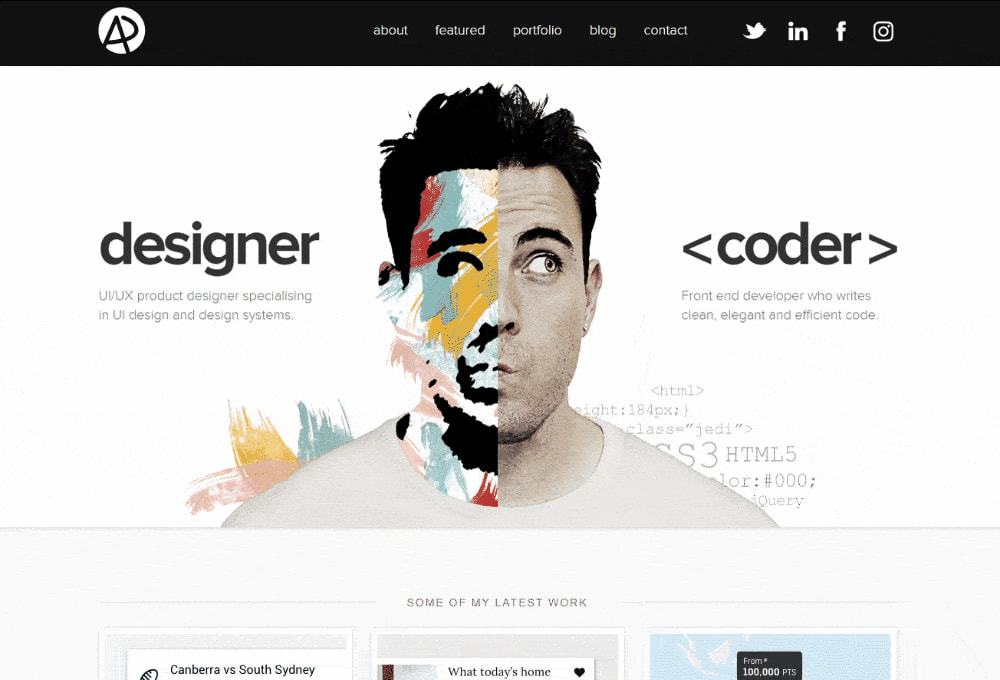
A strong PHP Developer Portfolio is more than a collection of completed projects. It serves as a professional showcase that demonstrates your technical expertise, problem-solving abilities, development process, and commitment to delivering high-quality web applications. Whether you are a freelancer, job seeker, or experienced software engineer, your portfolio often creates the first impression before an interview or client meeting.
In today’s competitive technology industry, businesses look beyond resumes. They want proof of practical experience, clean coding practices, scalable architecture, and successful project delivery. A well-crafted PHP Developer Portfolio helps recruiters and clients understand your capabilities and gives them confidence in your ability to handle complex development challenges.
This guide explores proven strategies for building an impressive portfolio that highlights your strongest PHP projects while effectively showcasing your backend expertise, Laravel experience, API integrations, and software engineering skills.
Why Every PHP Developer Needs a Professional Portfolio
Employers receive hundreds of applications for developer positions. While resumes summarize your skills and experience, they rarely demonstrate your actual coding abilities. A professional PHP Developer Portfolio bridges this gap by presenting real-world examples of your work.
Your portfolio tells a story about your development journey. It highlights your technical growth, preferred technologies, coding standards, and ability to solve business problems using PHP and related frameworks.
For freelance developers, a portfolio becomes a powerful marketing tool that builds trust with potential clients. For full-time professionals, it increases credibility during hiring and promotion opportunities.
Showcase Your Best Projects Instead of Every Project
Quality always matters more than quantity. Instead of listing dozens of small projects, focus on a handful of your most impressive work.
Each project should demonstrate different technical skills and business challenges. Include applications such as:
- Laravel web applications
- RESTful API development
- CRM systems
- E-commerce platforms
- Content Management Systems
- Custom business dashboards
- SaaS applications
- Enterprise backend systems
For every featured project, explain the business objective, your responsibilities, technologies used, architecture decisions, and measurable outcomes.
Visitors should understand not only what you built but also why your solution was effective.
Highlight Your Laravel Expertise
Laravel has become one of the most popular PHP frameworks, making it an essential part of many developer portfolios.
Your PHP Developer Portfolio should clearly showcase your Laravel knowledge by demonstrating experience with:
- MVC architecture
- Eloquent ORM
- Authentication systems
- Authorization
- Middleware
- Queues
- Job scheduling
- Events and listeners
- Blade templating
- Service containers
- Dependency injection
- Laravel Passport or Sanctum
- Testing with PHPUnit
Describe how Laravel helped improve application performance, maintainability, and scalability in your projects.
Employers often specifically search for Laravel developers, so highlighting this expertise significantly increases your portfolio’s value.
Demonstrate Backend Development Skills
Backend development involves much more than writing PHP code.
An impressive PHP Developer Portfolio should demonstrate your understanding of complete backend architecture, including:
- Database design
- Authentication
- Security implementation
- Performance optimization
- Server-side validation
- Error handling
- Logging
- Caching strategies
- Session management
- Background processing
Provide examples of how you optimized SQL queries, improved response times, reduced server load, or enhanced application security.
Real-world examples carry much greater impact than simply listing technical skills.
Showcase API Integration Experience
Modern applications rely heavily on third-party services.
Include projects involving API integrations such as:
- Payment gateways
- Social login
- Email services
- SMS gateways
- Shipping APIs
- Google Maps
- Cloud storage
- CRM integrations
- ERP systems
- AI services
Explain the challenges you solved while working with REST APIs, authentication methods, JSON responses, rate limiting, and webhook implementation.
These examples demonstrate your ability to build connected applications that solve real business problems.
Highlight Software Architecture Knowledge
Experienced developers distinguish themselves through architectural thinking rather than simply writing code.
Your PHP Developer Portfolio should showcase your understanding of software architecture by discussing concepts like:
- SOLID principles
- Design patterns
- Repository pattern
- Service layer architecture
- Domain-driven design
- Dependency injection
- Modular application structure
- Microservices
- Scalable application design
Even if visitors are not highly technical, explaining these concepts in simple language demonstrates your professional maturity.
Include Performance Optimization Examples
Performance optimization is one of the most valuable backend development skills.
Showcase projects where you improved:
- Database query performance
- Application speed
- Memory usage
- API response times
- Caching implementation
- Queue processing
- Server optimization
- Large data handling
Include measurable improvements whenever possible.
For example:
- Reduced page loading time by 60%
- Improved database performance by optimizing indexes
- Increased API throughput
- Reduced server resource consumption
These measurable achievements make your portfolio significantly more persuasive.
Display Your Technical Stack Clearly
Your visitors should immediately understand your technical expertise.
Include technologies such as:
- PHP
- Laravel
- MySQL
- PostgreSQL
- JavaScript
- Vue.js
- React
- HTML5
- CSS3
- Bootstrap
- Git
- Docker
- Redis
- Linux
- Nginx
- Apache
- Composer
- PHPUnit
Organize your skills into categories rather than presenting a long, unstructured list.
This improves readability and professionalism.
Explain Your Development Process
Clients and employers appreciate developers who follow structured workflows.
Describe your typical development process:
Project Planning
Explain how you gather requirements, analyze business needs, and design technical solutions.
Development
Describe your coding standards, Git workflow, version control practices, and testing procedures.
Deployment
Discuss deployment automation, server configuration, monitoring, and maintenance.
Showing a complete development lifecycle demonstrates your ability to manage projects from concept to production.
Add Case Studies Instead of Simple Screenshots
Screenshots alone rarely communicate the complexity of a project.
Instead, present each project as a case study including:
- Client challenge
- Technical requirements
- Development approach
- Technologies used
- Problems solved
- Results achieved
Case studies help visitors understand your thinking process and problem-solving abilities.
Showcase Clean Code Practices
Professional developers write maintainable code rather than simply functional code.
Mention your experience with:
- PSR coding standards
- Object-oriented programming
- Code refactoring
- Unit testing
- Feature testing
- Documentation
- Git version control
- Continuous integration
These practices reassure employers that your code can be maintained by development teams over time.
Keep Your Portfolio Updated
Technology evolves rapidly.
Your PHP Developer Portfolio should always reflect your latest experience and skills.
Regularly add:
- New Laravel versions
- Modern PHP features
- Recently completed projects
- Certifications
- Open-source contributions
- Technical blog posts
- Performance improvements
- New frameworks and tools
An updated portfolio demonstrates continuous learning and professional growth.
Write Clear Project Descriptions
Avoid overly technical language that only developers understand.
Instead, explain:
- The business problem
- Your technical solution
- Tools used
- Challenges overcome
- Final results
This approach allows both technical recruiters and non-technical decision-makers to appreciate your work.
Include Contact Information and Professional Links
An effective portfolio should make it easy for visitors to reach you.
Include links to your:
- GitHub profile
- LinkedIn profile
- Professional email
- Personal website
- Technical blog
- Resume
Ensure all links remain active and updated.
Accessibility improves networking and career opportunities.
Conclusion
A professional PHP Developer Portfolio is one of the most valuable assets for advancing your software development career. Rather than acting as a simple project gallery, it should communicate your technical expertise, problem-solving skills, backend development experience, Laravel knowledge, software architecture capabilities, and commitment to writing clean, scalable code.
By showcasing carefully selected projects, explaining your development process, demonstrating measurable results, and highlighting expertise in API integration, modern PHP development, and performance optimization, your portfolio becomes a powerful tool for attracting employers, clients, and new career opportunities. Consistently updating your PHP Developer Portfolio ensures it remains relevant in the ever-evolving web development industry and accurately reflects your growth as a professional developer.