
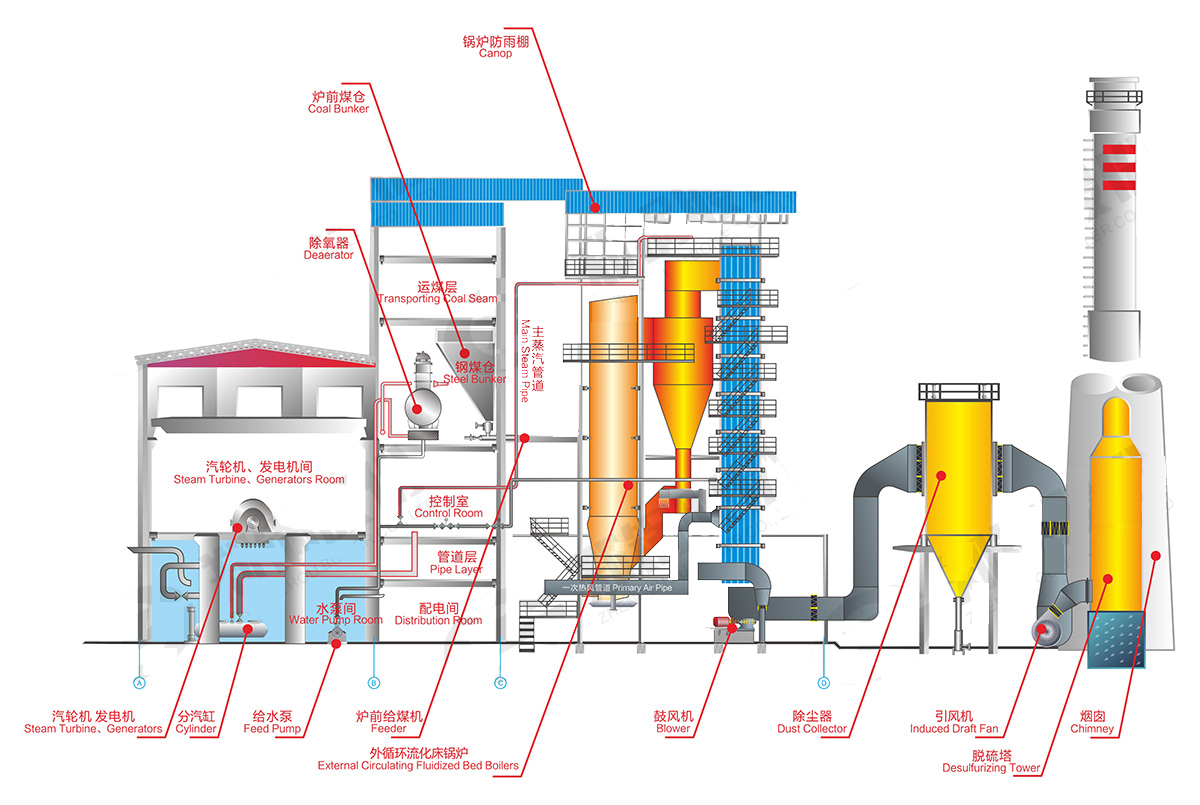
In modern thermal power plants, efficient waste handling is just as important as efficient energy generation. One of the most critical subsystems in a power plant is the ash and slag removal system of boiler island. Without a properly designed and maintained system, plant efficiency drops, operational costs increase, and environmental compliance becomes difficult.
Boiler islands are responsible for steam generation, and during the combustion process, coal and other fuels produce ash and slag as byproducts. Managing these materials safely and efficiently requires a well-integrated mechanical and hydraulic system. This article explains the key components of ash and slag removal systems, how they function, and what plant operators and engineers need to know.
Understanding the Role of Ash and Slag Removal in Boiler Islands
The ash and slag removal system of boiler island is designed to collect, cool, crush, transport, and store combustion residues generated inside the boiler furnace. These residues are typically classified into two main categories:
- Bottom ash and slag (heavier particles that fall to the bottom of the furnace)
- Fly ash (lighter particles carried by flue gases)
Efficient removal of these materials ensures continuous boiler operation, reduces wear on components, and supports environmental compliance.
Without an effective ash handling system, accumulation of slag can block furnace outlets, reduce heat transfer efficiency, and even cause emergency shutdowns.
Bottom Ash Handling System
Bottom ash is the heavier portion of ash that settles at the base of the boiler furnace. The ash and slag removal system of boiler island includes several components specifically designed to handle this material.
Furnace Bottom Hopper
The furnace bottom hopper collects molten slag and bottom ash as it falls from the combustion zone. This hopper is typically water-filled to cool the hot ash and prevent damage to downstream equipment.
Submerged Scraper Conveyor
A submerged scraper conveyor (SSC) is widely used in modern plants. It operates under water, continuously dragging cooled ash from the hopper to a discharge point. The water bath serves two purposes:
- Rapid cooling of hot slag
- Dust suppression
This component plays a central role in the ash and slag removal system of boiler island by ensuring safe and continuous ash extraction.
Clinker Grinder
Large chunks of slag or clinker may form during combustion. A clinker grinder crushes these large pieces into manageable sizes before they are transported further. Without grinding, oversized slag can damage conveyors and pipelines.
Fly Ash Collection System
Fly ash consists of fine particles that travel with flue gases. The ash and slag removal system of boiler island must capture these particles before gases are released into the atmosphere.
Electrostatic Precipitators (ESP)
Electrostatic precipitators are commonly used to capture fly ash. They apply an electric charge to ash particles, which are then attracted to oppositely charged plates. The collected ash is periodically dislodged and sent to storage systems.
Baghouse Filters
In some plants, baghouse filters are used instead of or in addition to ESPs. These filters trap fly ash in fabric bags, allowing clean gas to pass through.
Ash Hoppers
Below ESPs or baghouses, ash hoppers collect the captured fly ash. These hoppers are equipped with discharge valves and feeding systems to transfer ash to transport pipelines or conveyors.
Ash Transport Systems
After collection, ash must be transported to storage silos or disposal areas. Transport systems are a vital part of the ash and slag removal system of boiler island.
Pneumatic Conveying System
Pneumatic conveying is widely used for fly ash transport. Compressed air pushes ash through pipelines to storage silos. This method is enclosed, minimizing dust emissions and environmental risks.
There are two main types:
- Lean phase conveying
- Dense phase conveying
Dense phase systems are more energy-efficient and reduce pipeline wear.
Hydraulic Conveying System
Some plants use water to transport ash in slurry form. Although effective, this method requires dewatering systems and careful wastewater management.
Mechanical Conveyors
Belt conveyors, screw conveyors, and chain conveyors are used for short-distance ash transport. They are robust and suitable for handling heavier bottom ash.
Ash Storage and Disposal
Once transported, ash must be stored safely until it is reused or disposed of. The ash and slag removal system of boiler island includes storage infrastructure designed for both temporary and long-term needs.
Ash Silos
Fly ash is typically stored in tall, sealed silos. These silos are equipped with:
- Level indicators
- Pressure relief valves
- Aeration systems to prevent bridging
Ash can later be loaded into trucks for sale or disposal.
Slag Bunkers
Bottom ash and slag may be stored in bunkers before final disposal. In some cases, slag is processed for use in construction materials.
Ash Conditioning System
Before disposal, ash is often conditioned with water to reduce dust. This step ensures safer handling and compliance with environmental regulations.
Water Management Systems
Water plays a critical role in the ash and slag removal system of boiler island, especially in bottom ash handling.
Ash Water Recirculation System
Water used to cool and transport ash is collected, treated, and recirculated. This reduces freshwater consumption and improves sustainability.
Dewatering Equipment
Hydrocyclones, dewatering bins, and thickeners separate water from ash slurry. Proper dewatering reduces disposal volume and prevents environmental contamination.
Control and Automation Systems
Modern power plants rely heavily on automation for safe and efficient operation.
Sensors and Monitoring Devices
Temperature sensors, level sensors, and pressure gauges monitor system performance. These devices help detect blockages, overheating, and abnormal operating conditions.
PLC and SCADA Systems
Programmable Logic Controllers (PLC) and Supervisory Control and Data Acquisition (SCADA) systems manage and automate the ash and slag removal system of boiler island. Automation improves reliability, reduces manual intervention, and enhances safety.
Environmental and Safety Considerations
Ash handling systems must comply with strict environmental regulations. Poorly managed ash can cause air pollution, water contamination, and health hazards.
Key considerations include:
- Dust suppression systems
- Proper sealing of conveyors and silos
- Wastewater treatment
- Emergency overflow management
Routine maintenance and inspection are essential to prevent system failure and environmental violations.
Maintenance Best Practices
Regular inspection and preventive maintenance are critical for long-term performance of the ash and slag removal system of boiler island.
Important practices include:
- Checking conveyor wear and alignment
- Inspecting grinder teeth
- Monitoring pneumatic pipeline integrity
- Cleaning ash hoppers to prevent buildup
- Testing automation controls regularly
Failure to maintain these components can lead to unplanned outages and expensive repairs.
Future Trends in Ash and Slag Removal Systems
As environmental regulations become stricter, power plants are adopting advanced technologies such as:
- Dry bottom ash handling systems
- High-efficiency ESP upgrades
- Smart monitoring with predictive analytics
- Zero liquid discharge systems
Dry systems, in particular, reduce water usage and improve overall plant efficiency. Innovations are transforming the ash and slag removal system of boiler island into a more sustainable and automated operation.
Conclusion
The ash and slag removal system of boiler island is a vital subsystem in thermal power plants. It ensures safe handling of combustion byproducts, maintains boiler efficiency, and supports environmental compliance.
From bottom ash hoppers and clinker grinders to electrostatic precipitators, pneumatic conveying systems, and ash silos, each component plays a specific and critical role. Proper design, integration, and maintenance of these components ensure reliable plant operation and long-term cost efficiency.
Understanding these key components helps plant engineers, operators, and decision-makers optimize performance, reduce downtime, and meet environmental standards. As technology advances, modern ash handling systems are becoming more efficient, sustainable, and automated—making them an indispensable part of today’s boiler island infrastructure.