
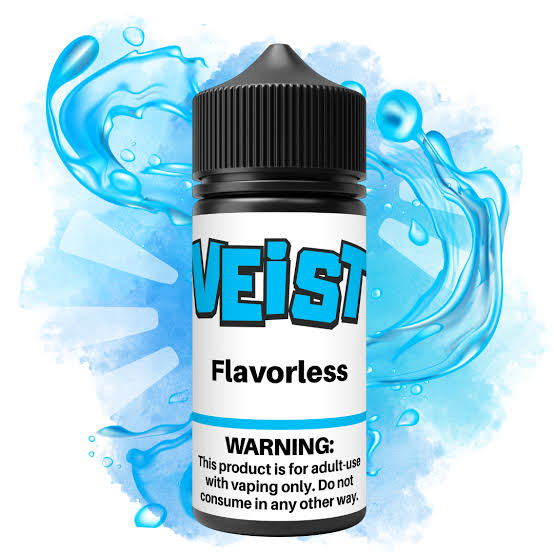
Vaping has become a widely discussed topic, particularly as electronic nicotine products have developed into many different forms. Among the terms people may encounter is non-flavored vapes, which generally refers to vaping products that do not contain added flavorings such as Non Flavored Vapes fruit, mint, candy, dessert, or beverage-inspired flavors. Although the absence of flavor may make these products sound simpler, it does not mean they are harmless or risk-free.
Understanding what non-flavored vapes are, what they may contain, and the potential health concerns associated with vaping can help people make informed decisions.
What Are Non-Flavored Vapes?
Non-flavored vapes are electronic vaping products designed without intentionally added flavoring ingredients. Instead of producing a recognizable taste such as strawberry, mango, mint, or vanilla, these products may have a relatively neutral or natural taste associated with their base ingredients.
A typical vaping device can contain a liquid or other material that is heated to create an aerosol. Depending on the product, the liquid may contain nicotine, solvents, and other ingredients. The exact composition can vary significantly between products and manufacturers.
The term “non-flavored” therefore describes the absence of added flavor rather than the absence of chemicals or potentially harmful substances.
Why Do Some Products Avoid Added Flavors?
Flavorings are commonly used in consumer vaping products because they can change the taste and overall sensory experience. Removing these flavorings creates a different type of product that does not rely on a particular fruit, dessert, beverage, or cooling flavor.
There can be several reasons why a product might be described as non-flavored. Some formulations may be intended to have a neutral taste, while others may emphasize the characteristics of their underlying ingredients.
However, removing flavor does not automatically change the fundamental health considerations associated with vaping.
What Can Vaping Aerosol Contain?
One important misconception is that the aerosol produced by a vape is simply harmless water vapor. It is not.
Depending on the device and liquid, vaping aerosol can contain nicotine and other substances. Research and public-health agencies have also raised concerns about exposure to potentially harmful chemicals and particles generated during the heating process.
The substances present can differ according to the device, temperature, ingredients, and manufacturing process. Consequently, the absence of flavoring does not provide a guarantee that the resulting aerosol is safe.
Nicotine and Dependence
Many vaping products contain nicotine, although formulations vary. Nicotine is an addictive substance that can lead to dependence.
For adolescents and young people, nicotine exposure is particularly concerning because the brain continues developing during these years. Nicotine dependence can also make stopping difficult for people who have already developed a regular habit.
The lack of flavor does not remove nicotine-related concerns. A non-flavored product can still deliver nicotine when nicotine is included in its formulation.
Non-Flavored Does Not Mean Harmless
The word “non-flavored” can sometimes create an impression that a product is more natural or safer. These ideas should be treated carefully.
Flavoring is only one part of a vaping product. Other factors, including nicotine content, device design, heating conditions, and the ingredients used in the liquid, can influence potential health risks.
For this reason, removing added flavor should not be interpreted as making vaping completely safe.
Why Vaping Can Be a Concern for Young People
Youth vaping has received significant attention from health organizations because nicotine can affect developing brains. Young people may also be more vulnerable to developing patterns of dependence.
Marketing, product design, social influences, and curiosity can all contribute to experimentation. Flavor is one factor that may influence how vaping products are perceived, but eliminating flavor does not remove the broader concerns associated with nicotine exposure.
Parents, teachers, and communities can help by providing accurate information rather than presenting vaping as harmless.
Environmental Considerations
Disposable and rechargeable vaping devices can also create environmental concerns. Electronic components, batteries, plastics, and leftover materials require appropriate handling and disposal.
Improper disposal can contribute to electronic waste and may create additional environmental problems. Batteries in particular require responsible disposal because they contain materials that should not simply be thrown away with ordinary household waste.
These concerns apply regardless of whether a vaping product contains added flavor.
Understanding Product Labels
Anyone researching vaping products should avoid assuming that a product’s description tells the complete story. Terms such as “non-flavored,” “neutral,” or similar descriptions generally refer to taste or formulation characteristics rather than an overall safety classification.
Product labels can provide information about ingredients and nicotine content, but labels may not answer every question about potential health effects. Regulations and labeling requirements also vary between countries and jurisdictions.
For reliable health information, it is better to consult recognized public-health authorities and qualified healthcare professionals.
Supporting Informed Decisions
Good health information should distinguish between describing a product and promoting it. Non-flavored vapes are one category within the broader vaping market, but the absence of added flavor does not eliminate concerns about nicotine dependence, aerosol exposure, or other potential health effects.
People who do not currently use nicotine products can avoid developing nicotine dependence by not starting. People who already vape and want to stop can consider speaking with a healthcare professional for appropriate support.
Final Thoughts
Non-flavored vapes are vaping products without intentionally added flavors such as fruit, candy, mint, or dessert varieties. While their neutral taste may distinguish them from flavored products, it does not make them risk-free.
Understanding nicotine, aerosol exposure, ingredients, dependence, and environmental considerations provides a more complete picture than focusing on flavor alone. Accurate information can help individuals understand the potential consequences of vaping and make health-conscious decisions based on reliable evidence.